
FROM STADIUMS TO STRATEGY: HOW TO BUILD COMMUNICATION CAMPAIGNS IN THE ERA OF SPORTS TOURISM
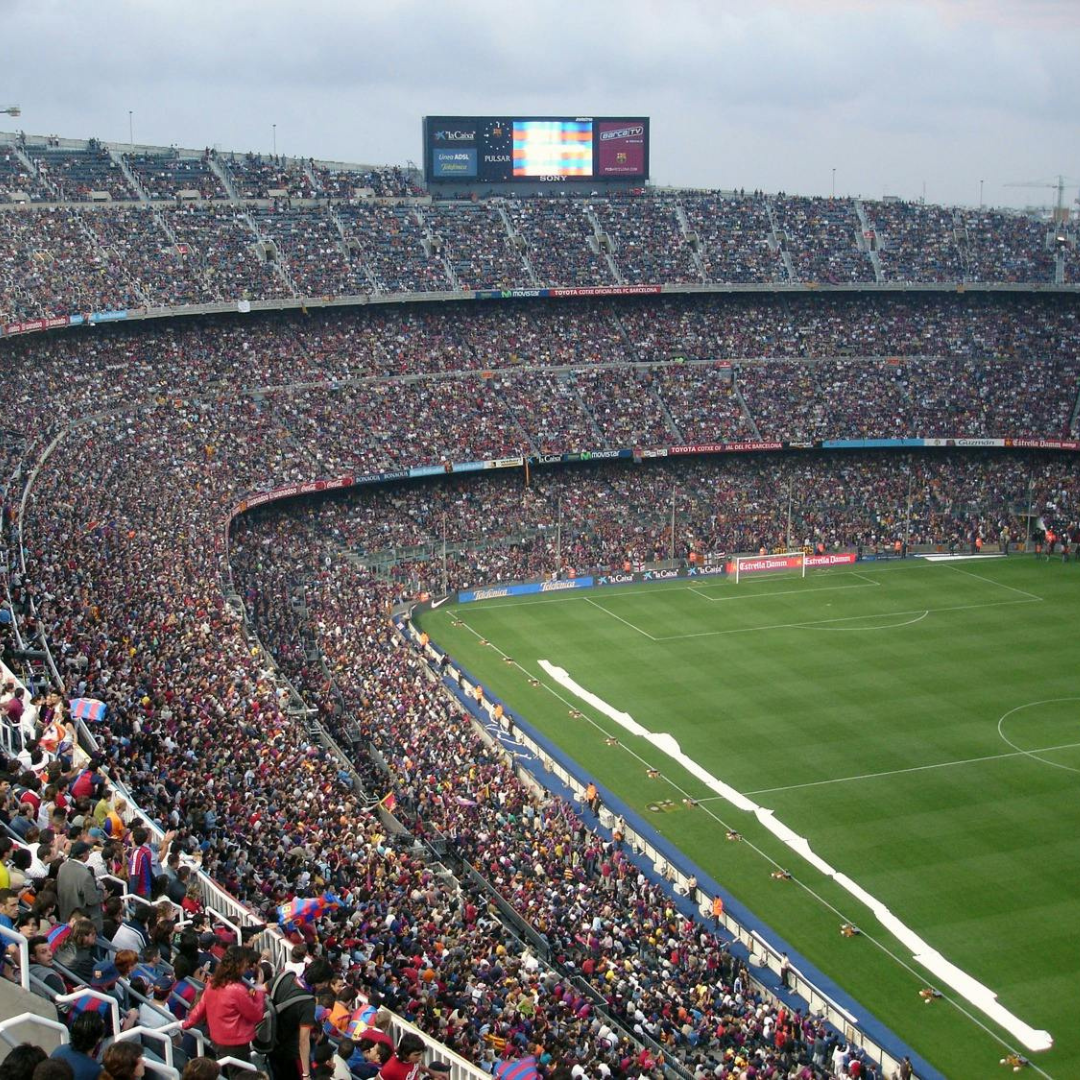
Sports tourism is now one of the fastest-growing segments in global travel, currently accounting for roughly 10% of the global tourism market, with an estimated growth rate of 17.5% by 2030 (UN Tourism). Fueled by fans eager to attend live events and participants traveling to compete, this sector spans far beyond mega events like the Olympics or the FIFA World Cup. It includes everything from marathons and endurance races to youth sports tournaments, collegiate championships, niche competitions like the Indianapolis 500, and more.
Every one of these events generates meaningful economic impact. Hotels fill. Restaurants book out. Flights sell. Rideshare demand spikes. Retail, attractions, and entertainment venues benefit from increased foot traffic. And perhaps most importantly, first-time visitors are introduced to destinations they may not have otherwise considered.
Sports tourism doesn’t just create visitors, it creates repeat visitors, and in turn, repeat guests.
The Olympic Games
There’s something uniquely powerful about the Olympics. For a few short weeks, the world feels connected, united by competition, national pride, personal triumph, and shared human achievement. That sense of awe, excitement, and global connection is exactly what makes the Olympics more than just a sporting event. It’s a catalyst.
The Road to 2028 and 2034
In the United States, we’re watching this next chapter unfold in real time. The 2028 Summer Olympics are on the horizon and headed to Los Angeles, a global city that’s already synonymous with entertainment, culture, and sports. LA28 will not only draw international visitors but also reshape infrastructure, hospitality, and destination marketing strategies across Southern California.
Meanwhile, the 2034 Winter Olympics will be held in Salt Lake City, Utah. “Utah 2034” marks a significant opportunity for tourism brands not only in Utah, but the entire U.S., to build off the strong legacy of the 2002 Olympics.
These two games bookend a decade that will significantly influence how destinations think about sports tourism. Because what we’re seeing isn’t a moment. It’s a movement.
FIFA World Cup 2026
Global sports tourism takes center stage in North America this summer, with over 1 million visitors from around the world expected to visit the region for FIFA World Cup 2026. Tourism numbers to U.S., Canada, and Mexico are expected to thrive because of the games, with hotels already seeing an 80-100% increase in demand for overnight stays (Reuters).
Even more, international visitors plan to take advantage of their fan travels, with many expected to spend up to 12 days in the U.S. to explore more of the country (FIFA), underscoring the significance of how sports tourism has influenced consumers and how the trend continues to expand beyond the game itself.
Formula 1
Formula 1 has transformed from a motorsport series into a global lifestyle brand. Its international calendar draws fans to iconic destinations like Monaco, Singapore, Austin, Miami, and Las Vegas. Race weekends have evolved into multi-day, bucket-list travel experiences blending sport, luxury, nightlife, culinary programming, and cultural events. The Las Vegas Grand Prix is a prime example. It wasn’t simply a race; it was a citywide spectacle, activating hotels, restaurants, entertainment venues, and retail districts across the Strip. The event attracted a high-spending, international audience and generated significant media impressions worldwide.
Social media and streaming have amplified this effect. Thanks to digital broadcasting and series like Drive to Survive, F1 has expanded its audience beyond traditional motorsport fans. The result? A younger, more diverse, global mobile fan base that plans travel around race calendars.
The Role of Storytelling in Sports Tourism
As destinations compete for hosting rights and visitor attention, storytelling becomes critical. Effective communications and marketing strategies turn events into immersive narratives by:
· Showcasing host communities
· Highlighting local culture and culinary scenes
· Positioning hotels and attractions as part of the experience
· Extending visibility long after the event ends
For destinations around the globe, whether hosting large-scale events or niche tournaments, the opportunity is about more than accommodating visitors. It’s about creating campaigns that shape perception for years to come and building an international community through shared love for the game.